Understanding Metal Roofing Basics
Metal roofing has risen in popularity over the years, particularly for homeowners seeking durability, energy efficiency, and aesthetic appeal. Unlike traditional roofing materials, such as asphalt shingles, metal roofing can offer a longevity that is unmatched—often lasting 50 years or more with minimal maintenance. When exploring options, MRoof provides comprehensive insights into choosing the best metal roofing system for your home, ensuring you make an informed decision tailored to your needs.
What is Metal Roofing?
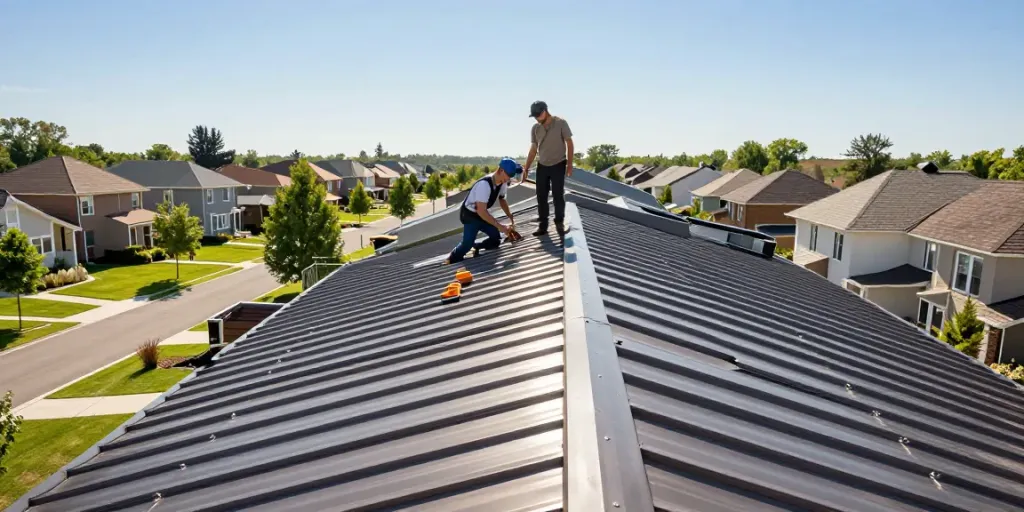
Metal roofing consists of panels or shingles made primarily from metals such as steel, aluminum, copper, or zinc. These materials are engineered to withstand harsh weather conditions, including heavy rain, snow, wind, and extreme heat. Metal roofs are typically installed in a series of interlocking panels that create a seamless barrier against the elements. They can be customized to fit various architectural styles, from modern to traditional designs.
Benefits of MRoof Systems
- Durability: Metal roofs are resistant to cracking, shrinking, and erosion. They can withstand winds of up to 140 mph and are not prone to mold or rot.
- Energy Efficiency: Metal roofs reflect solar radiant heat, which can reduce cooling costs by 10-25%.
- Eco-Friendly: Many metal roofs are made from recycled materials and are recyclable at the end of their life cycle.
- Low Maintenance: Metal roofs require minimal maintenance compared to traditional roofing materials.
Types of Metal Roofing Materials Available
There are several types of metal roofing materials available, each with distinct advantages:
- Steel: Strong and economical, it is often coated with a protective layer to prevent rust.
- Aluminum: Lightweight and resistant to corrosion, making it ideal for coastal areas.
- Copper: Highly durable and aesthetically appealing, copper develops a patina over time, adding character to your roof.
- Zinc: Similar to copper in durability, zinc is naturally self-healing, which can extend its lifespan significantly.
Choosing the Right MRoof for Your Home
Choosing the right metal roofing system involves considering various factors that can impact your decision. These include the roof’s structural integrity, your budget, and the specific aesthetics you wish to achieve. Consulting with roofing professionals can help clarify which options best suit your home.
Factors to Consider When Selecting a Metal Roof
- Climate: Understand your local weather conditions; some materials perform better in certain climates.
- Cost: Balance the initial investment against long-term savings in maintenance and energy costs.
- Style: Choose a metal roofing style that complements your home’s architecture.
Comparing Durability Across MRoof Types
When comparing different types of metal roofs, steel and aluminum are often the most common choices. Steel roofs, particularly those treated with galvanization or coated with a polymer, are highly durable. Meanwhile, aluminum roofs provide great resistance to corrosion, making them ideal for harsh environments. Copper and zinc roofs are typically more expensive but can outlast other roofing materials due to their self-healing properties and natural resistance to corrosion.
Aesthetic Considerations for Your MRoof Installation
Beyond durability and cost, aesthetics play a significant role in your roofing choice. Metal roofing comes in various styles and colors, providing flexibility to match the exterior of your home. Options include standing seam, corrugated panels, and metal shingles that can mimic traditional roofing materials like tile or slate.
Installation Process of MRoof Systems
The installation process for metal roofs necessitates professional expertise to ensure a secure fit and proper sealing against potential leaks.
Preparing Your Home for MRoof Installation
- Inspection: A thorough inspection of the existing roofing structure will help identify any issues that need addressing.
- Removal: If you're replacing an old roof, the existing materials must be removed.
- Insulation: Ensure adequate insulation is in place for energy efficiency and sound dampening.
Step-by-Step MRoof Installation Guide
- Lay down the underlayment to provide additional moisture protection.
- Install the metal panels starting from the eave and progressing upward to ensure water flows away from the seams.
- Secure panels with screws, ensuring they are properly sealed and placed to minimize the risk of leaks.
- Install trim and flashing around projections (such as chimneys and vents) for added weatherproofing.
Common Installation Pitfalls to Avoid
One of the most common mistakes in metal roofing installation is improper alignment of panels, which can lead to leaks. Additionally, failing to leave adequate expansion space can result in warping over time. Using incorrect fasteners or failing to secure joints correctly are also critical points to avoid, as they can compromise the roof’s durability.
Maintenance Tips for Your MRoof
Regular maintenance is key to prolonging the lifespan of your metal roof and ensuring it continues to perform effectively.
Routine Inspections and Upkeep
- Inspect the roof for damage, rust, or loose fasteners at least twice a year.
- Keep gutters and downspouts clean to ensure proper drainage.
Cleaning Techniques for Longevity
Cleaning your metal roof can be as simple as rinsing it with a garden hose to remove dust and debris. For tougher stains, a solution of mild detergent and water can be used. Avoid abrasive cleaners or tools that could scratch the surface.
Troubleshooting Common Issues with MRoof
Common issues homeowners may face include rust spots or discoloration. Rust can be addressed with touch-up paint specifically designed for metal roofs, while discoloration may require professional cleaning. Regular inspections will help catch issues early, reducing the need for costly repairs.
The Future of Metal Roofing in 2026
As we look ahead to 2026, the metal roofing industry is poised for growth, driven by technological advancements and a push towards sustainable building practices.
Emerging Trends in Metal Roofing Technology
- Cool Roof Technology: More manufacturers are producing reflective metal roofs that can significantly reduce heat absorption.
- Smart Roofs: Integration of technology that monitors temperature and can adjust insulation properties based on environmental conditions is on the rise.
Eco-Friendly Innovations in MRoof Materials
Innovations in eco-friendly materials are becoming increasingly mainstream, with many metal roofs made from recycled materials and designed to be fully recyclable at the end of their life cycle. This shift is not only beneficial for the environment but also appeals to an increasingly eco-conscious consumer base.
Predictions for the Metal Roofing Market in 2026
As demand for sustainable and resilient buildings grows, the metal roofing market is expected to expand significantly. Homeowners are likely to prioritize energy efficiency and longevity in their roofing choices, making metal roofs an appealing option. With advancements in technology and design, metal roofing is set to redefine the standards for residential roofing.